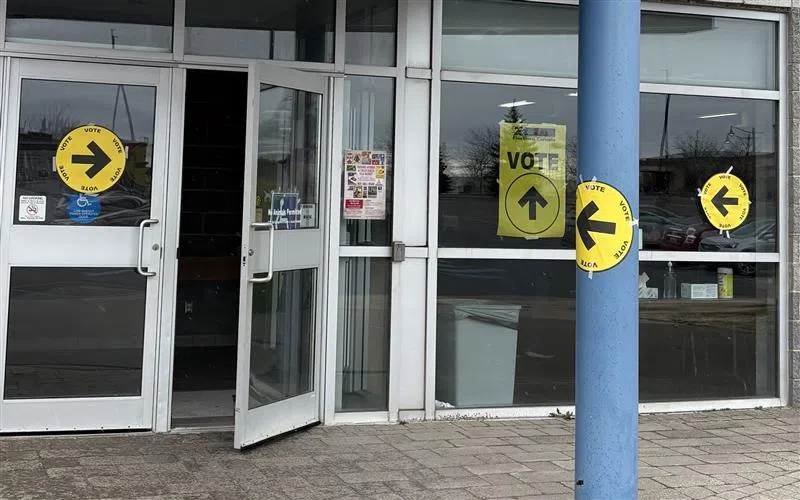
Ontario’s municipal elections are facing a growing participation problem — with voter turnout declining while the number of candidates winning by acclamation continues to rise. Average turnout in Ontario’s municipal elections fell from just over 43 per cent in 2014 to about 33 per cent in 2022.
At the same time, the number of candidates elected without a vote has been increasing. There were roughly 390 acclamations in 2014, compared with more than 550 in the 2022 election.
One solution, according to ROMA chair and Mississippi Mills acclaimed mayor Christa Lowry, may be spurring increased youth interest because, as she notes, most major plans by municipalities have long reaching effects.
For voters, an acclamation means there is no choice to make for that particular office. And with fewer contested races, there can also be less campaigning, fewer opportunities for candidates to debate local issues and less attention focused on municipal politics. Lowry thinks we need to change our thinking of what democracy represents.
The reasons for the trend are varied. Running for municipal office can be time-consuming, while candidates can face criticism and scrutiny during a campaign and afterwards in office. Some potential candidates may also decide the financial and personal commitment isn’t worth it.
Municipal officials and democracy advocates say encouraging more people to put their names forward is important — particularly because local governments make decisions affecting property taxes, roads, housing, development, recreation and other services residents use every day.
The 2026 municipal election could provide another snapshot of the trend. With nominations now closed, communities across Ontario are seeing a mix of contested races, uncontested positions and full or partial council acclamations. The result could mean fewer voters heading to the polls — and, in some communities, fewer choices when they get there.
Story by Brian Turner