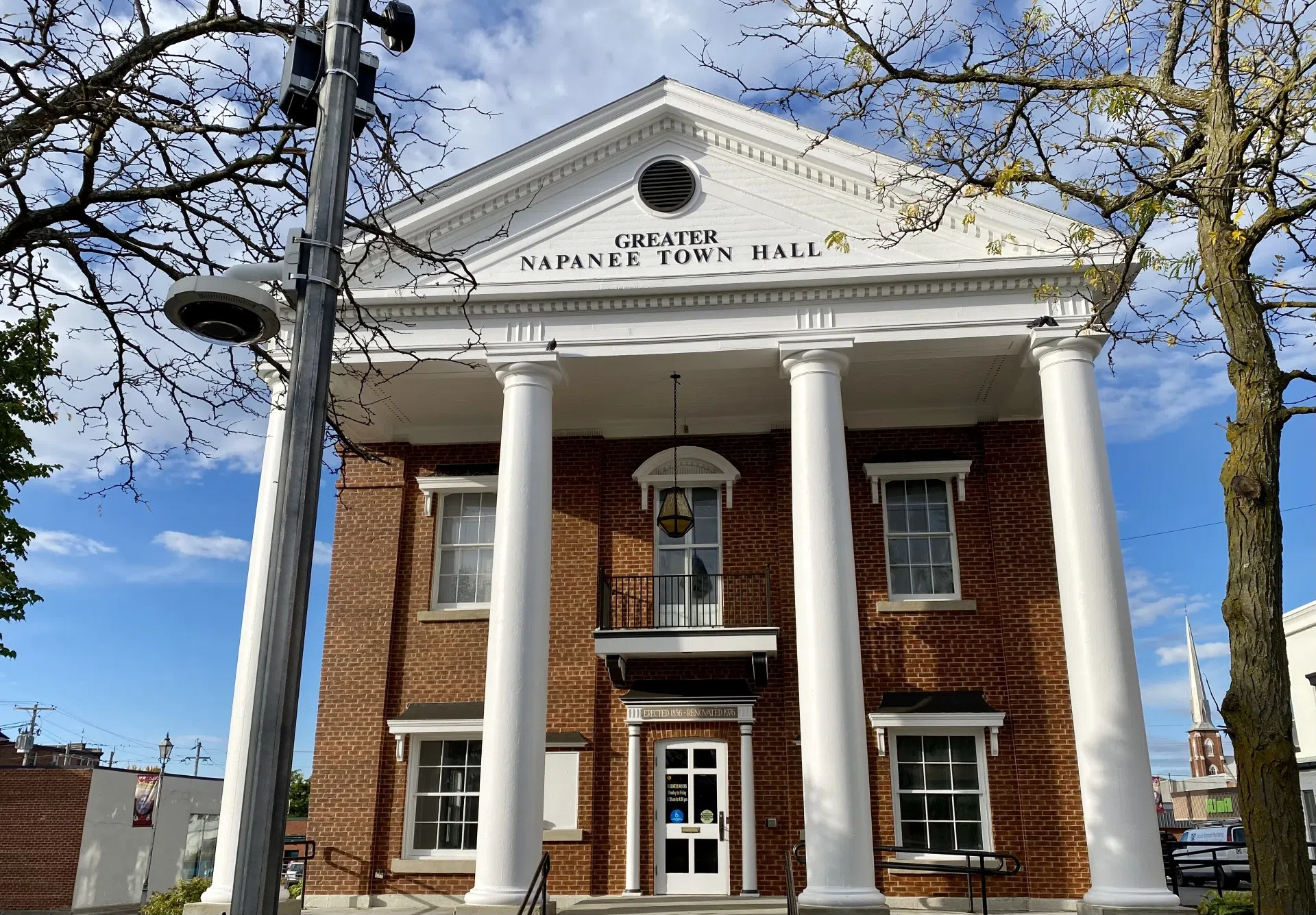
Photo by Emily Chatwood / MBC News
The dust is settling after Ontario’s municipal elections, and the results are offering some interesting insights into the state of local democracy – particularly in smaller communities.
An analysis by the Association of Municipalities of Ontario shows voter turnout across the province increased modestly, reaching approximately 36%, compared with 33% in 2022.
But the numbers suggest residents of smaller communities are often more likely to head to the polls. Municipalities with populations under 10,000 recorded turnout of about 42%. In larger centres, participation was considerably more uneven. Toronto led the major urban centres at almost 46%, while Kitchener recorded just 22%.
Rurual Ontario Municipal Association (ROMA) chair Christa Lowry points to a trend that gives her optimism for the next 4 years.
There are also signs of gradual progress in gender representation, although women remain underrepresented. Women accounted for 32 per cent of candidates this year, up slightly from 31 per cent in 2022. However, they represent only 31 per cent of elected councillors and 25 per cent of mayors and reeves.
Lowry reports a positive statistic in gender representation from election day.
Another interesting trend is the number of candidates elected without a contest. There were 400 acclamations across Ontario, down from 548 in 2022. Nineteen municipalities saw their entire councils acclaimed.
For rural Ontario, the results underline the importance of local participation, community connections and finding people willing to take on the responsibility of representing their neighbours.
Story by Brian Turner