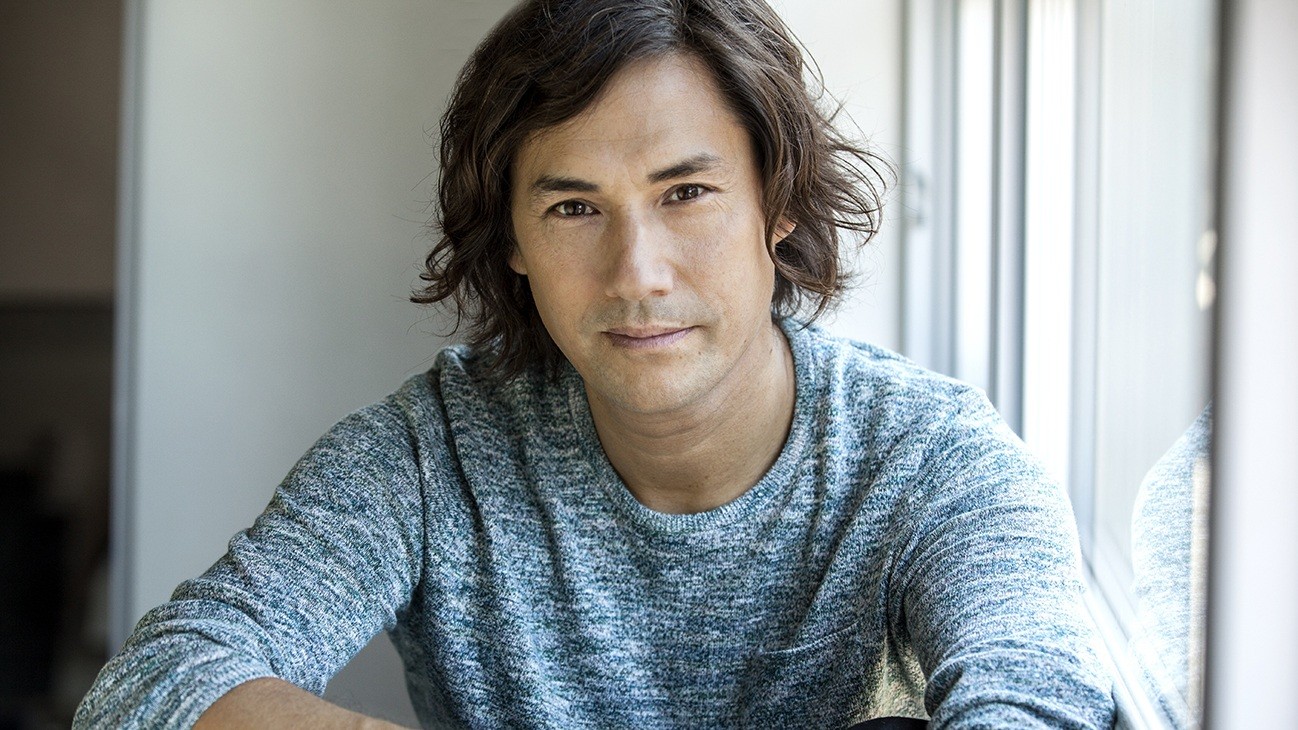
David Usher - Photo provided
Artificial intelligence continues to spark debate as people weigh its potential benefits against concerns about where the technology is heading.
David Usher has spent years exploring what artificial intelligence can do.
Now, the Moist frontman and technology entrepreneur wants more people involved in deciding what it should do.
The Canadian musician is the founder and CEO of Montreal-based Reimagine AI, which develops technology for applications including memory preservation, healthcare and entertainment.
In an interview with our newsroom, Usher discussed the opportunities he sees in AI and why he believes people should have more say in shaping its future.
From music to technology
Usher’s interest in technology grew as digital platforms transformed the music industry.
Watching the disruption surrounding the Napster era led him into startups, while his work speaking about creativity and innovation encouraged him to experiment with emerging tools firsthand.
That included collaborating on an early AI songwriting project and eventually establishing Reimagine AI.
For Usher, making music and building technology draw on a similar creative process: developing an idea, learning how to execute it and turning it into something people can use or experience.
Moving between those fields, however, requires learning new skills and understanding how each industry works.
Useful tools, with clear limits
Usher uses AI throughout his business, including for coding and preparing initial drafts of business documents.
He sees value in tools that help people tackle tasks outside their strongest areas of expertise, while recognizing that the results are not foolproof.
However, he favours systems designed for specific purposes over the pursuit of technology capable of doing everything.
He argues that development decisions should consider the effects on employment, relationships, communities and democracy, rather than focusing only on promises of future benefits.
Alongside those considerations, Usher says developers have a responsibility to ensure the systems they release are safe.
Keeping the human connection in art
Despite experimenting with AI songwriting, Usher said he does not want it to replace his own creative process.
He described tools that can generate lyrics, vocals, instrumentation and arrangements, producing repeated variations until a user finds something appealing.
Usher expects AI to disrupt creative businesses, but believes audiences will continue to value the person and process behind a work.
That distinction also shapes his views on where AI belongs in everyday life.
More voices in the conversation
Asked whether his years working with AI have left him more optimistic or more concerned, Usher said he is more concerned.
He pointed to warnings from within the AI industry itself, arguing that the public should take researchers’ concerns about potentially severe consequences seriously.
His concerns extend beyond how people use today’s tools to the increasingly autonomous systems developers are pursuing.
Usher argues that the possibility of AI improving itself without human oversight raises different questions about safety and control.
He wants broader public participation in deciding how far that development should go, rather than leaving the direction of the technology to a small number of companies.
A personal reason to preserve memories
Alongside those concerns, Usher sees opportunities for carefully focused applications of AI.
One of his own projects grew from his family’s experience with Alzheimer’s disease.
He said his mother has lived with the disease for approximately eight years, an experience that helped inspire Reimagine AI’s memory platform, SecondEcho.
Watching a parent’s memories disappear made him think about how families preserve their stories — and how easily those stories can be lost.
While earlier generations may have left only a handful of photographs, people today can accumulate thousands of images and posts without connecting them to the experiences behind them.
Usher described SecondEcho as a way to save, connect, search and share those memories, allowing them to be passed on.
He also said his company is developing AI companions for older adults, including people with Alzheimer’s.
He sees a potential role for those systems during periods when family members or care workers cannot be present, emphasizing that his goal is to provide additional support rather than replace human care and connection.